Exploring the psychological effects of gambling on decision-making skills
The Nature of Gambling and Decision-Making
Gambling is not merely an act of chance; it intertwines psychological factors that significantly influence decision-making skills. At its core, gambling entices players with the prospect of winning, often leading to impulsive choices driven by emotion rather than rationality. For many, the excitement of potential rewards can cloud judgment, pushing individuals to make decisions that are detrimental to their overall well-being. This interplay between emotional arousal and cognitive processing is fundamental in understanding how gambling affects decision-making. Players interested in online experiences can find a wealth of options at https://fortislots-casino.com/.
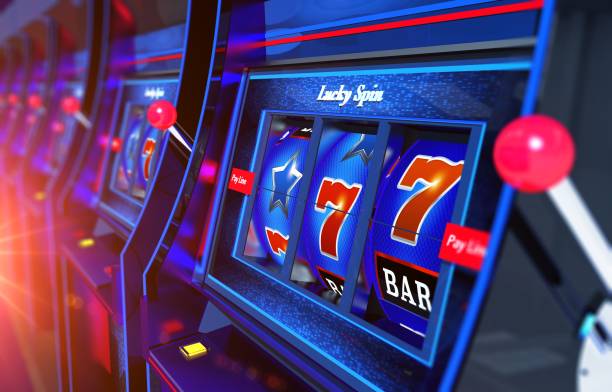
The context in which gambling occurs also plays a crucial role in shaping decision-making. Environments like casinos are designed to stimulate the senses, using bright lights and alluring sounds to create an atmosphere of thrill. This sensory overload can lead to cognitive biases, where gamblers may overestimate their chances of winning based on past experiences. Such biases are instrumental in fostering a cycle of risk-taking behavior, often leading to further gambling despite previous losses.
Additionally, the decision-making process in gambling often differs from everyday choices. Gamblers tend to evaluate outcomes based on perceived emotional highs rather than statistical probabilities. This emotional evaluation can override logical reasoning, making it challenging for individuals to recognize when they should stop gambling. Over time, these patterns can distort overall decision-making skills, potentially resulting in compulsive gambling behavior that carries severe consequences.
The psychological effects of gambling can be profound, influencing both emotional and cognitive functions. Research indicates that frequent gamblers may develop cognitive distortions, such as the illusion of control, where they believe they can influence the outcome of games of chance. This false perception can lead to a series of poor decisions, as individuals cling to the hope of winning rather than acknowledging the reality of their situation.
Moreover, gambling addiction can trigger anxiety and depression, significantly impacting decision-making skills. Individuals may find themselves trapped in a vicious cycle where the stress of gambling losses leads to further gambling in an attempt to recover funds. This emotional turmoil can cloud judgment, resulting in even riskier decisions that compromise financial stability and personal relationships.
Additionally, the psychological effects of gambling extend beyond the individual. Families and communities often bear the brunt of a gambler’s poor decision-making, experiencing emotional and financial fallout. These social repercussions can further exacerbate an individual’s mental health issues, creating a feedback loop that hinders effective decision-making skills and escalates the need for intervention and support.
Impulsivity is a key factor that significantly affects decision-making in gambling contexts. Individuals who engage in gambling often exhibit impulsive behaviors, which can lead them to place bets without adequately considering the potential consequences. This impulsivity is fueled by the immediate gratification associated with gambling, which can overshadow rational thought. The thrill of a spontaneous bet may momentarily satisfy cravings, but it often results in regret when the outcomes are unfavorable.
Research has shown that impulsivity is closely linked to the neurobiological aspects of gambling. Certain brain regions that govern reward processing and impulse control may function differently in gamblers compared to non-gamblers. This disparity can result in decision-making that favors immediate rewards over long-term benefits, leading to a pattern of behavior where individuals continually chase losses rather than making sound, strategic decisions.
Furthermore, the social context of gambling can amplify impulsivity. Gamblers often find themselves in environments that encourage quick decision-making, such as crowded casinos or fast-paced online platforms. This pressure can lead to hasty decisions, devoid of thoughtful consideration, ultimately impairing their ability to make sound choices. Over time, this impulsivity can manifest in more serious gambling problems, where individuals may need to seek professional help to regain control over their decision-making processes.
Cognitive distortions are prevalent in the gambling community, impacting how individuals perceive risk and reward. Common distortions include overconfidence in one’s skills and the tendency to attribute wins to personal skill while blaming losses on external factors. These thought patterns significantly skew decision-making, as gamblers may refuse to acknowledge the randomness of games, leading to persistently poor choices. For instance, a player might continue betting on a losing streak, convinced that they are due for a win.
Another common cognitive distortion is the gambler’s fallacy, where individuals believe that past outcomes influence future results. This belief can drive a gambler to make illogical choices, such as betting heavily after a series of losses, hoping to recover their funds. Such distorted thinking inhibits rational decision-making, often resulting in increased financial loss and emotional distress.
Additionally, cognitive distortions can hinder individuals from learning from their gambling experiences. Those caught in the cycle of distorted thinking may struggle to analyze their betting behaviors critically, preventing them from making informed decisions in the future. Recognizing and addressing these cognitive distortions through cognitive-behavioral therapy can help gamblers regain control of their decision-making abilities.
Fortislots Casino aims to create a thrilling yet responsible gaming environment by prioritizing player safety and well-being. The platform offers resources and tools for players to manage their gambling habits, ensuring that entertainment does not turn into a compulsive behavior. By promoting responsible gaming practices, Fortislots Casino encourages players to make informed decisions and seek help when necessary.
The casino provides educational content regarding the psychological effects of gambling, emphasizing the importance of understanding one’s decision-making processes. Players are encouraged to set limits and take breaks to prevent impulsive actions. Additionally, Fortislots Casino features various support options for those who may struggle with gambling-related issues, fostering a community that promotes healthy gaming habits.
Ultimately, Fortislots Casino is committed to enhancing the overall gaming experience while being cognizant of the psychological factors at play. By combining engaging entertainment with a focus on responsible gambling, the platform ensures that players can enjoy their time without jeopardizing their mental health or decision-making skills.
“`
Leave a Reply