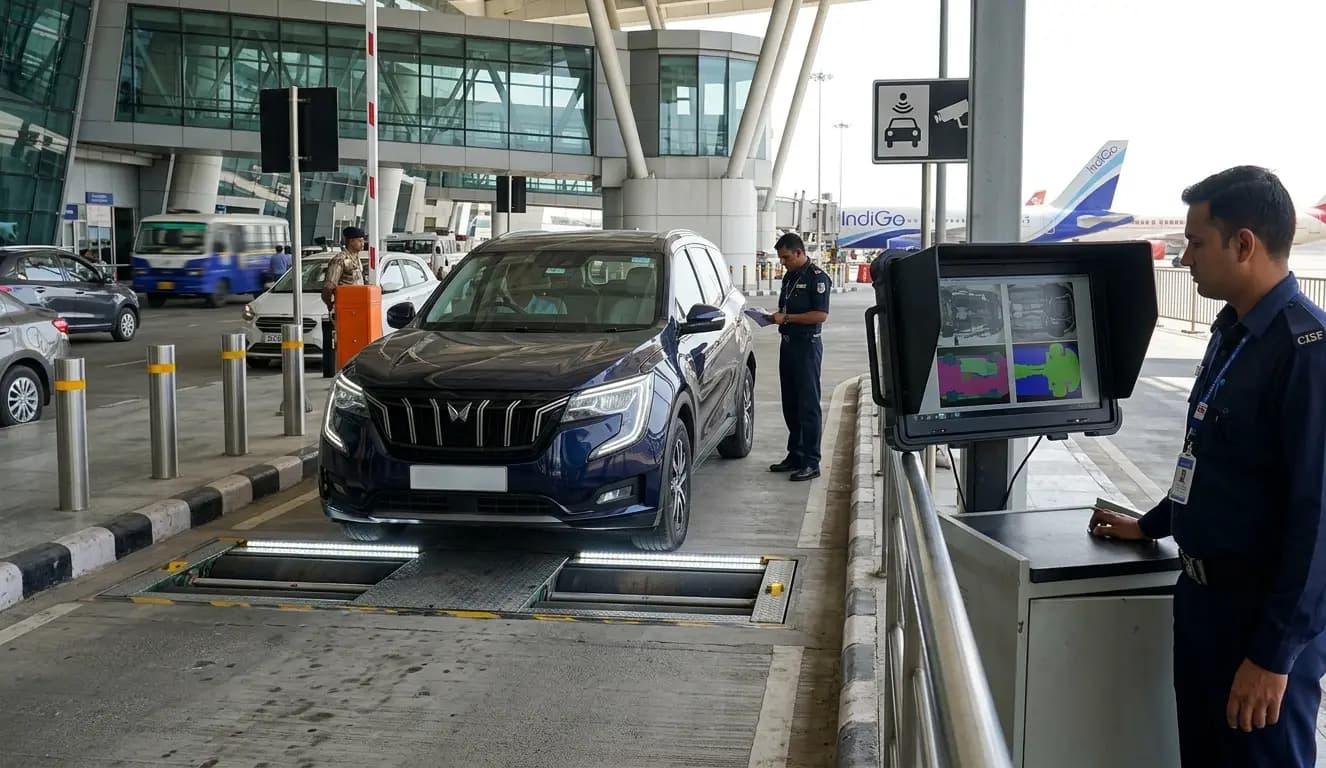
A Under Vehicle Surveillance System (UVSS) is an automated security solution that captures and examines images of a vehicle’s underside to identify suspicious objects, concealed items and unauthorised modifications. The price of a UVSS system depends on its imaging technology, camera resolution, automation capabilities, software, integration requirements and installation environment.
As an indicative market guide, publicly advertised UVSS products range from several thousand US dollars for basic or portable equipment to tens of thousands of dollars for more advanced fixed and integrated systems. The final cost depends on the configuration, supplier, location and project requirements.
For organisations considering an investment in vehicle inspection technology, understanding the available systems and their capabilities is essential. This guide explains UVSS pricing, how an under vehicle surveillance system works, the features that influence its cost and what to consider before purchasing one.
What Is the Price of a UVSS System?
The price of an under vehicle surveillance system varies depending on the type of equipment, imaging technology and security requirements of the facility.
Basic camera-based systems generally cost less than advanced automated solutions featuring high-resolution imaging, artificial intelligence, Foreign Object Detection (FOD), Automatic Number Plate Recognition (ANPR) and integration with existing security infrastructure.
As a broad international budgeting indication, buyers may encounter the following advertised equipment price brackets:
| UVSS system category | Indicative equipment budget |
|---|---|
| Basic portable UVSS | $2,000–$7,000 |
| Standard fixed UVSS | $5,000–$15,000 |
| Advanced automated UVSS | $15,000–$30,000+ |
| Specialised enterprise installations | Project-specific quotation |
These are indicative market figures, not fixed prices or quotations from UVSS. They are based on publicly advertised supplier listings and should not be treated as directly comparable specifications. Some prices cover individual components, while others cover more complete systems.
For example, publicly listed products in Pakistan include a basic two-camera system priced at PKR 450,000 and a fixed system listed at PKR 3,375,000. More advanced fixed equipment is also advertised at higher prices. These examples demonstrate why comparing specifications is more useful than comparing headline prices alone.
The final UVSS system price should be calculated according to the actual equipment, software, integrations and deployment requirements.
What Factors Affect the Price of a UVSS System?
Several technical and operational factors influence the overall cost of an under vehicle scanning system.
1. Imaging Technology
Imaging technology is one of the most important factors affecting UVSS pricing.
Most systems use either line-scan or area-scan cameras.
Line-scan technology
Line-scan cameras capture the underside of a moving vehicle one line at a time. Software combines these individual lines to create a complete undercarriage image.
The quality of the final image depends on factors such as vehicle speed, camera configuration, lighting and system calibration.
Area-scan technology
Area-scan cameras capture a wider image of the vehicle’s underside in individual exposures. Depending on the configuration, they can provide detailed images without relying on the same line-by-line image construction process.
The choice between these technologies depends on vehicle movement, inspection requirements, image quality and operational conditions.
Advanced imaging configurations may increase the initial equipment cost but can provide additional inspection capabilities.
2. Camera Resolution and Image Quality
Camera resolution directly affects the level of detail available to security personnel.
Higher-resolution cameras can help operators examine smaller objects, physical changes and suspicious components beneath vehicles.
When evaluating a UVSS, consider:
- Image resolution and clarity.
- Coverage of the vehicle’s underside.
- Camera sensitivity and lighting performance.
- Image capture speed.
- Performance in different weather conditions.
- Image storage and retrieval capabilities.
A suitable camera configuration should provide clear and consistent images for the vehicles passing through the inspection checkpoint.
3. Artificial Intelligence and Foreign Object Detection
AI-powered Foreign Object Detection is another important consideration when calculating the price of a UVSS system.
Traditional systems primarily capture and display undercarriage images for manual inspection. More advanced solutions use image-processing algorithms to assist operators in identifying suspicious objects and changes.
FOD technology can help identify:
- Unusual objects attached beneath vehicles.
- Changes in vehicle undercarriage components.
- Suspicious packages or foreign materials.
- Differences between previously recorded and current vehicle images.
Advanced image analysis can reduce the burden of manually examining every image. However, automated detection should support trained security personnel rather than replace appropriate security procedures.
4. Automatic Number Plate Recognition (ANPR)
ANPR integration connects vehicle identification with undercarriage inspection records.
When a vehicle approaches the checkpoint, an ANPR camera captures its registration number. The system can associate this information with the corresponding inspection image and vehicle entry record.
This makes it easier for security teams to:
- Identify individual vehicles.
- Retrieve historical inspection images.
- Maintain vehicle entry records.
- Compare previous and current inspections.
- Investigate unusual inspection results.
The cost depends on whether ANPR hardware and software are included or need to be integrated separately.
5. Software and Security Integration
Modern UVSS solutions can work alongside wider security infrastructure.
Depending on the system, integrations may include:
- Video Management Systems (VMS).
- Access control systems.
- Security Information and Event Management (SIEM) platforms.
- Centralised monitoring software.
- Vehicle databases.
- Network video recording and image storage.
Open API support can be particularly valuable for organisations that want to connect vehicle inspection data with their existing security management systems.
6. Installation Environment and Infrastructure
The physical inspection location also affects project costs.
A permanent UVSS checkpoint may require road preparation, suitable drainage, electrical connections, network infrastructure and protective housing.
A portable uvss system may require less permanent infrastructure, although its suitability depends on the required inspection capacity and deployment conditions.
Other possible project expenses include:
- Civil engineering and groundwork.
- Electrical and network connections.
- Installation and commissioning by an appointed integrator.
- Operator training.
- Maintenance and technical support.
Buyers should distinguish the equipment price from the complete project cost before approving a procurement budget.
How to Work an UVSS System? Step-by-Step Explanation
An under vehicle surveillance system works by capturing images of a vehicle’s undercarriage and processing those images to help security personnel identify potential threats.
The exact operating procedure depends on the model, camera configuration and software capabilities. However, a typical automated UVSS inspection follows these steps.
Step 1: Vehicle Approaches the Inspection Point
A vehicle approaches the designated inspection lane where the UVSS equipment is installed.
Depending on the configuration, the system may use vehicle detection sensors or other triggering mechanisms to initiate image capture.
Step 2: Cameras Capture the Vehicle Undercarriage
As the vehicle passes over the scanning unit, specialised cameras capture images of its underside.
The lighting system illuminates areas that may otherwise be difficult to inspect because of limited natural light.
The imaging configuration determines how the vehicle’s undercarriage is captured.
Step 3: Software Processes the Images
Once the images have been captured, the UVSS software processes them and creates a digital representation of the vehicle’s underside.
The system can display the captured image on a monitoring screen, allowing security personnel to examine the vehicle’s chassis, mechanical components and other visible areas.
Step 4: AI-Assisted Detection and Image Comparison
Advanced UVSS solutions can use artificial intelligence and image-processing technology to assist with identifying suspicious objects or unusual changes.
Some systems also support image comparison, allowing operators to compare the current inspection with a previously recorded undercarriage image.
For example, if an unfamiliar object appears beneath a vehicle compared with its earlier inspection record, the system can help highlight the difference for further investigation.
Step 5: ANPR and Vehicle Record Association
If ANPR functionality is integrated, the vehicle’s registration information can be associated with its undercarriage inspection image.
This creates a searchable inspection record and helps security teams retrieve previous vehicle inspections when required.
Step 6: Security Alert and Operator Review
If the system identifies a potential anomaly, it can present the relevant image or detection information to the operator.
Security personnel can then review the result and follow the organisation’s established inspection and escalation procedures.
This combination of automated image capture, software analysis and human review improves the consistency and efficiency of vehicle security inspections.
What Is the Difference Between Fixed and Portable UVSS Systems?
The right system depends on how frequently vehicles need to be inspected and whether the checkpoint is permanent or temporary.
| Feature | Fixed UVSS | Portable UVSS |
|---|---|---|
| Deployment | Permanent checkpoint | Temporary or flexible locations |
| Infrastructure | May require civil works | Generally less permanent infrastructure |
| Operational use | Continuous security operations | Temporary or changing inspection requirements |
| Traffic management | Designed for dedicated inspection lanes | Depends on deployment configuration |
| Cost | Depends on installation and technology | Depends on portability and capabilities |
| Best suited for | Airports, borders and critical facilities | Events, temporary checkpoints and selected facilities |
A fixed UVSS is generally appropriate for organisations with permanent vehicle inspection requirements.
Portable equipment may be more suitable when inspection locations change or permanent infrastructure is not practical.
The selection should be based on vehicle volume, inspection frequency, security requirements and operating conditions rather than price alone.
What Features Should You Look for When Buying a UVSS System?
Before purchasing an under vehicle surveillance system, evaluate its technical specifications and compatibility with your security requirements.
Here are some important considerations.
High-quality imaging: Choose a system that provides sufficient image clarity and undercarriage coverage for the vehicles being inspected.
AI-based detection: Consider advanced FOD capabilities if automated identification of suspicious objects and changes is important to your security operation.
Image comparison: The ability to compare current images with previous vehicle inspection records can help identify unusual changes.
ANPR integration: Vehicle registration recognition can connect inspection images with individual vehicle records.
System compatibility: Check whether the UVSS supports integration with your existing VMS, access control and security management infrastructure.
Environmental protection: Assess the equipment’s ingress protection, operating temperature, load capacity and suitability for the installation environment.
Data storage: Confirm how inspection images are stored, retrieved and retained.
Technical support: Understand warranty coverage, software updates, replacement parts and ongoing support arrangements.
A detailed technical assessment can help prevent purchasing a system that does not meet the facility’s operational requirements.
Where Are Under Vehicle Surveillance Systems Used?
UVSS technology is used in locations where vehicle security inspections are an important part of access control and perimeter protection.
Common applications include:
Airports and Aviation Facilities
Airports require controlled vehicle access to sensitive operational areas. UVSS can help inspect vehicles entering restricted zones and support wider security procedures.
Government and Military Facilities
Government buildings, military installations and other sensitive facilities can use under vehicle scanning technology to examine vehicles before granting access.
Border Checkpoints and Customs
Border security teams can use UVSS to inspect vehicle undercarriages and help identify suspicious modifications or concealed objects.
Industrial Facilities and Manufacturing Plants
Factories, warehouses and industrial facilities can use automated vehicle inspection to strengthen perimeter security and monitor vehicles entering or leaving their premises.
Logistics and Transportation Hubs
Ports, distribution centres and logistics facilities can use UVSS technology to support vehicle screening while maintaining organised traffic movement.
Corporate Campuses and Commercial Buildings
Large organisations can introduce under vehicle inspection at selected entry points to strengthen vehicle access control.
Why Choose an AI-Powered UVSS Solution?
Traditional vehicle inspection methods can require significant manual effort, particularly at checkpoints with high vehicle traffic.
AI-assisted UVSS technology introduces additional capabilities by combining automated image capture, image processing and intelligent detection.
Depending on the solution, these capabilities can include:
- Automated undercarriage image capture.
- AI-based Foreign Object Detection.
- Historical image comparison.
- Vehicle identification through ANPR.
- Centralised inspection records.
- Integration with existing security infrastructure.
- Support for faster operator decision-making.
For high-security facilities, the objective is not simply to capture an image. It is to provide security teams with useful inspection information that supports timely and informed decisions.
How to Choose the Right UVSS System for Your Facility
Selecting a suitable UVSS requires an understanding of the facility’s security requirements and operational environment.
Before requesting a quotation, consider the following questions:
- How many vehicles will pass through the checkpoint each day?
- What types of vehicles need to be inspected?
- Is a permanent or portable inspection solution required?
- Is AI-powered Foreign Object Detection necessary?
- Do you require ANPR integration?
- Will the system need to connect with an existing VMS or access control platform?
- What image resolution and inspection coverage are required?
- What are the environmental and load-bearing requirements?
- Who will handle installation and commissioning?
- What warranty and technical support arrangements are available?
Providing these details to a UVSS supplier makes it easier to identify an appropriate configuration and obtain an accurate project quotation.
Get a UVSS System Quotation from UVSS
Choosing an under vehicle surveillance system is an important investment in facility security. The right solution should match your inspection requirements, traffic volume, operating environment and existing security infrastructure.
At uvss.ai, we supply advanced under vehicle inspection solutions designed to support modern vehicle security operations.
Our available technology includes AI-powered Foreign Object Detection, advanced undercarriage imaging, SingleView and stereoscopic 3D inspection capabilities, ANPR integration and connectivity with wider security infrastructure.
Whether you are evaluating a UVSS for an airport, government facility, industrial site, logistics hub or another high-security environment, our team can help you identify suitable equipment for your project.
We work with your requirements to help you select the appropriate UVSS hardware and software configuration. Installation and on-site commissioning can be arranged through your appointed system integrator.
Contact UVSS today to discuss your requirements and request a tailored UVSS system quotation.
Website: https://uvss.ai/
Frequently Asked Questions About UVSS Systems
1. What is the price of a UVSS system?
The price depends on the system type, camera technology, image resolution, software, AI capabilities and integration requirements. Basic equipment may cost several thousand US dollars, while advanced fixed and integrated systems can cost tens of thousands of dollars or more. A tailored quotation is recommended.
2. How does a UVSS system work?
A UVSS captures images of a vehicle’s underside using specialised cameras and lighting. The software processes the images and displays them for inspection. Advanced systems can use AI-based detection and image comparison to help identify suspicious objects and changes.
3. What is the difference between UVSS and UVIS?
UVSS stands for Under Vehicle Surveillance System, while UVIS stands for Under Vehicle Inspection System. Both terms describe technology used to examine vehicle undercarriages. Their exact capabilities depend on the equipment and configuration.
4. Can a UVSS detect objects hidden underneath a vehicle?
Yes. UVSS captures images of the vehicle’s underside, allowing visible suspicious objects and unauthorised modifications to be identified. Advanced systems may use AI-assisted Foreign Object Detection to highlight potential anomalies. Detection performance depends on imaging quality, software and the nature of the object.
5. Does a UVSS system require a vehicle to stop?
Not necessarily. Many automated systems are designed to capture images as vehicles pass through an inspection lane. However, the permitted vehicle speed depends on the camera technology and system configuration.
6. What is the difference between line-scan and area-scan UVSS?
Line-scan cameras construct an undercarriage image from individual lines captured as the vehicle moves. Area-scan cameras capture wider image frames in individual exposures. The best option depends on image requirements, vehicle speed, lighting and operating conditions.
7. Can UVSS integrate with ANPR?
Yes. A compatible UVSS can integrate with Automatic Number Plate Recognition technology to associate vehicle registration information with undercarriage inspection images and records.
8. Where are UVSS systems commonly installed?
They are commonly used at airports, border crossings, government facilities, military installations, industrial plants, logistics hubs, ports and other locations requiring controlled vehicle access.
9. What is AI-based Foreign Object Detection in UVSS?
AI-based Foreign Object Detection uses image analysis to help identify suspicious objects or unusual changes in vehicle undercarriage images. It supports operators by highlighting potential inspection concerns.
10. How can I get an accurate UVSS system quotation?
Provide your supplier with the inspection location, daily vehicle volume, vehicle types, required imaging technology, AI and ANPR requirements, integration needs and environmental conditions. These details help determine the appropriate system configuration and overall project cost.
Leave a Reply